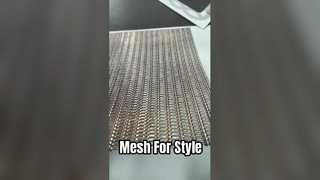
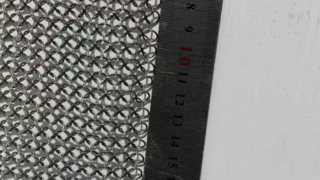
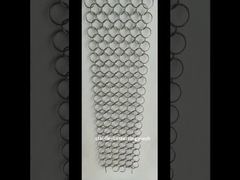
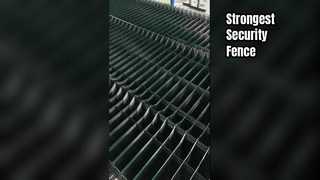
Brief: Observe the step-by-step operation and see practical examples of usage. This video demonstrates how the Kinetic Facade creates a dynamic, wave-like motion on windy days, transforming the appearance of museums and shopping malls. You'll see how these perforated metal panels are installed and how their movement provides both visual appeal and functional benefits like natural ventilation and light regulation.
Related Product Features:
Sways like waves in the wind, offering a unique kinetic visual effect for building facades.
Made from durable materials like aluminum, stainless steel, or copper, ensuring strength and longevity.
Features various customizable hole sizes and shapes to meet specific design requirements.
Provides excellent weather resistance, including fireproofing, corrosion resistance, and durable color finishes.
Offers functional benefits such as light regulation, shading, sun protection, and natural ventilation.
Delivers good thermal and sound insulation properties for enhanced building comfort.
Lightweight yet high-strength construction with shock-resistant and recyclable qualities.
Ideal for large buildings including offices, airports, theaters, museums, and shopping malls.
FAQs:
What materials are used to make the Kinetic Facade?
The Kinetic Facade is typically made from materials such as aluminum, aluminum alloy, stainless steel, copper, or carbon steel. These materials are often treated with surface finishes like spraying or anodizing to enhance strength, corrosion resistance, and durability.
How does the Kinetic Facade create its wave-like motion?
The Kinetic Facade is designed as perforated metal plates that respond to wind. When the wind blows, the panels rise and fall in a wave-like pattern, creating a dynamic and visually appealing effect that distinguishes it from static facades.
What are the main benefits of using a Kinetic Facade?
Key benefits include aesthetic appeal with customizable hole patterns, lightweight and high-strength construction, fire and corrosion resistance, regulation of light and ventilation, thermal and sound insulation, and recyclability, making it both functional and sustainable.
Where is the Kinetic Facade commonly applied?
It is widely used for decorating large buildings such as offices, dining halls, airports, shopping malls, theaters, museums, exhibition halls, and concert halls, enhancing both visual impact and environmental comfort.